Smart Glasses in 2025: Practical Uses Beyond AR Games

When people hear “smart glasses,” most picture flashy augmented reality (AR) games or futuristic heads-up displays. But as we move into 2025, smart glasses have evolved far beyond novelty. They’re becoming everyday tools — transforming work, health, travel, and more.
Let’s explore the practical, real-world uses of smart glasses in 2025, and why they matter more than ever.
1. Hands-Free Navigation

-
Walking and driving directions
-
Transit updates
-
Turn-by-turn prompts
Ideal for travelers, cyclists, and delivery drivers who need real-time guidance while keeping their eyes forward.
2. Real-Time Translation

Imagine visiting Tokyo, Paris, or Dubai and reading street signs or menus instantly in your native language.
Smart glasses now offer:
-
Live text translation in your field of view
-
Speech translation with subtitles
-
AI-powered context for cultural phrases
This feature breaks language barriers and boosts confidence abroad.
3. Live Video Collaboration

In fields like engineering, field service, and healthcare, smart glasses enable:
-
Remote experts to see what the wearer sees
-
Real-time annotations over live video
-
Guided repairs or procedures
Think of it as FaceTime with AR notes — making work faster, safer, and more accurate.
4. Health & Accessibility Tools

Smart glasses now support:
-
Subtitles for the hearing impaired
-
Text-to-speech for the visually impaired
-
Fall detection and SOS alerts
-
Real-time heart rate and wellness data
They’ve become powerful assistive devices — improving independence and safety.
5. Personal Productivity

From students to office workers, smart glasses can:
-
Display reminders, emails, and calendars
-
Help track tasks or meeting notes
-
Project a floating second screen for multitasking
All without looking down at your phone or laptop.
6. Fitness and Sports Coaching

Imagine running, cycling, or golfing with:
-
Live performance stats (speed, cadence, form)
-
Real-time coaching tips
-
Course maps and hazard alerts
Some smart glasses even integrate AI to analyze form and suggest improvements instantly.
7. Privacy & Safety Enhancements

Modern designs include:
-
On-lens indicators showing when cameras are active
-
Detachable cameras for sensitive environments
-
End-to-end encryption for data
Addressing earlier concerns about constant recording and data misuse.
8. Lightweight, Stylish Designs
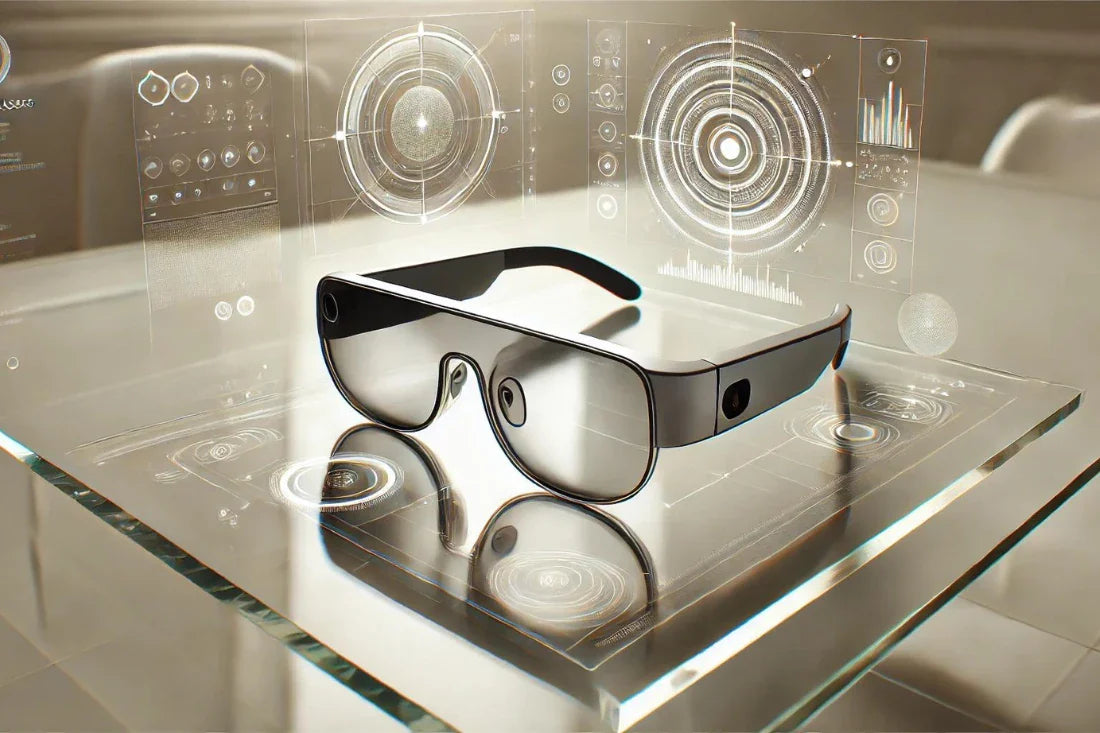
-
Everyday eyeglasses or sunglasses
-
Lightweight (under 50g)
-
Stylish frames from major brands (Ray-Ban, Oakley)
Fashion meets function — encouraging mainstream adoption.
9. AI-Powered Contextual Assistance
Beyond displaying info, smart glasses can now:
-
Recognize objects, places, and people
-
Suggest actions (e.g., "Call John when you see him")
-
Help remember names or meetings
It’s like having a discreet personal assistant in your field of vision.
10. Environment & Safety Alerts

For hikers, workers, and city dwellers:
-
Real-time air quality or UV warnings
-
Severe weather alerts
-
Hazard detection in industrial settings
Enhancing safety while keeping hands free.
Why This Shift Matters
As designs get sleeker and software gets smarter, these devices could become as common as smartphones.
Final Thoughts
In 2025, smart glasses have stepped into reality — becoming tools for travel, work, learning, and wellness.
Beyond AR games and novelty, they’re changing how we see and interact with the world — quietly, powerfully, and practically.


Comments
Post a Comment