Smart Recycling Bins: How AI is Tackling Waste at Home

What Are Smart Recycling Bins?

Smart recycling bins are advanced waste containers equipped with sensors, cameras, and AI algorithms that analyze discarded items. Instead of relying on individuals to guess the right bin, these devices automatically recognize whether something is plastic, paper, glass, or organic waste, helping reduce contamination in recycling streams.
How Do They Work?
-
Scanning & Identification – The bin scans the item using AI-powered recognition systems.
-
Sorting Assistance – Some bins automatically separate waste into the right compartment.
-
Data Tracking – Many smart bins connect to mobile apps, giving you insights into your recycling habits.
-
Reminders & Rewards – Some systems gamify recycling by rewarding users for sustainable habits.
Benefits of Smart Recycling Bins
-
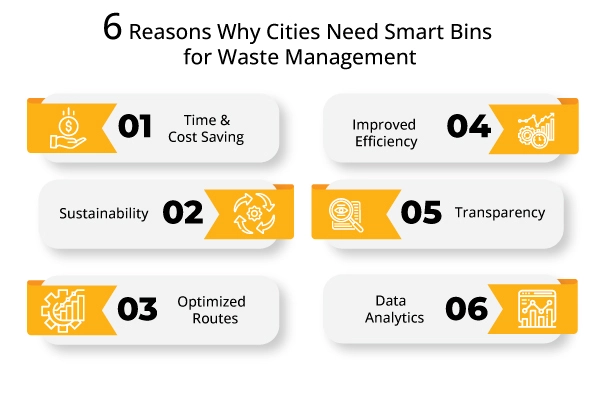
Reduce Waste Contamination – Cleaner recycling means more materials can actually be reused.
-
Convenience – No more confusion about where to throw items.
-
Eco-Friendly Homes – Encourages greener habits at the household level.
-
Smart City Integration – When connected, they help municipalities optimize waste collection routes.
Challenges and Considerations
Despite the benefits, these devices can be expensive, and their adoption is still limited to eco-conscious households. Additionally, AI recognition may struggle with damaged or dirty items, though technology is improving rapidly.
The Future of Recycling at Home

As AI continues to improve, smart recycling bins could become as common as smart thermostats or plugs, turning waste management into a seamless, tech-driven process. With global waste increasing, these bins represent an important step toward sustainable living.


Comments
Post a Comment