Why Mesh Wi-Fi Systems Are Becoming Essential for Modern Homes

What Is a Mesh Wi-Fi System?
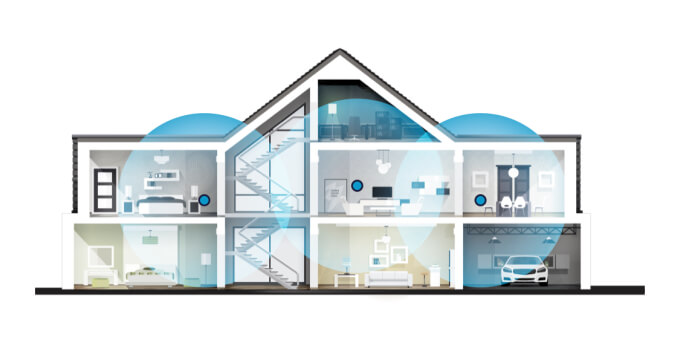
A mesh Wi-Fi system replaces a single router with multiple devices:
-
Main router: Connects to your modem.
-
Satellite nodes: Placed in different rooms to spread Wi-Fi coverage evenly.
All these units create a single, seamless network, so your devices automatically connect to the strongest signal as you move around the house.
Why Traditional Routers Fall Short
-
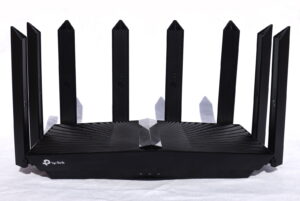
Limited range: Especially in multi-story houses or homes with thick walls.
-
Dead zones: Places where signal can’t reach, like basements or garages.
-
Performance drops: The farther you are from the router, the slower the speed.
How Mesh Systems Fix These Issues
📶 Better Coverage
Multiple nodes mean fewer weak spots and stronger signals throughout your home.
🔄 Seamless Roaming
Walk from the kitchen to the bedroom without manually switching networks or losing connection.
📊 Consistent Speeds
Avoid big slowdowns in certain rooms, even if multiple devices are streaming or gaming at once.
Perfect for Modern Smart Homes
Homes now have dozens of connected devices:
-
Smart TVs
-
Security cameras
-
Smart speakers
-
Tablets and phones
Mesh systems handle this traffic better, balancing connections across nodes.
Easy Setup and Control
Most mesh systems:
-
Set up in minutes via an app.
-
Let you pause Wi-Fi for kids, create guest networks, or see what’s connected.
-
Update automatically with security improvements.
Are There Downsides?
-
Cost: Usually more expensive than basic routers.
-
Speed: Cheaper mesh systems might have lower backhaul speeds.
-
Size: You’ll need space to place extra nodes.
But for many, the benefits outweigh the trade-offs.
Final Thoughts
With more devices, remote work, and streaming, fast and reliable Wi-Fi isn’t optional anymore. Mesh Wi-Fi systems solve coverage problems and simplify network management — making them essential for the modern connected home.


Comments
Post a Comment